Hérault culinary specialties: from fougasse to brasucade
The food of the Hérault is the cooking of fishermen, winemakers and people who didn’t have time for fuss. Simple ingredients, well prepared, in generous quantity. No pretension. Here, people eat well, eat plenty, and make no apology for it.
I was born and grew up in this food culture. My father came home from the vines with the hunger of a man who’d been working outside all day. The table was always full.
Tielle sétoise
This is the star. A round pie with thick, soft dough, filled with chunks of octopus in a spiced tomato sauce. We’ve written a full article about it. It’s the dish of Sète. You see it everywhere in the town: bakeries, markets, restaurants, along the canal.
The tielle came from Italy, from the Gaeta region. Italian fishermen who settled in Sète in the late 19th century brought the recipe. It adapted and it stayed.
Eat it warm, it’s better that way. Individual portions for a snack, large size to share for a meal. From Florensac, Sète is 25 minutes. That’s reason enough.
Petit pâté de Pézenas
This is a curiosity. A small cylinder of crispy pastry, filled with a sweet-savoury mix of lamb, sugar and lemon zest. The recipe is said to date back to the 18th century, brought by the cook of Lord Clive (an Englishman returning from India) who was staying in Pézenas.
The taste is surprising the first time. Sweet and savoury mingle. Some people love it, others are puzzled. You have to try it. You’ll find them at the Pézenas market on Saturday mornings, and at a few bakers in town.
Fougasse
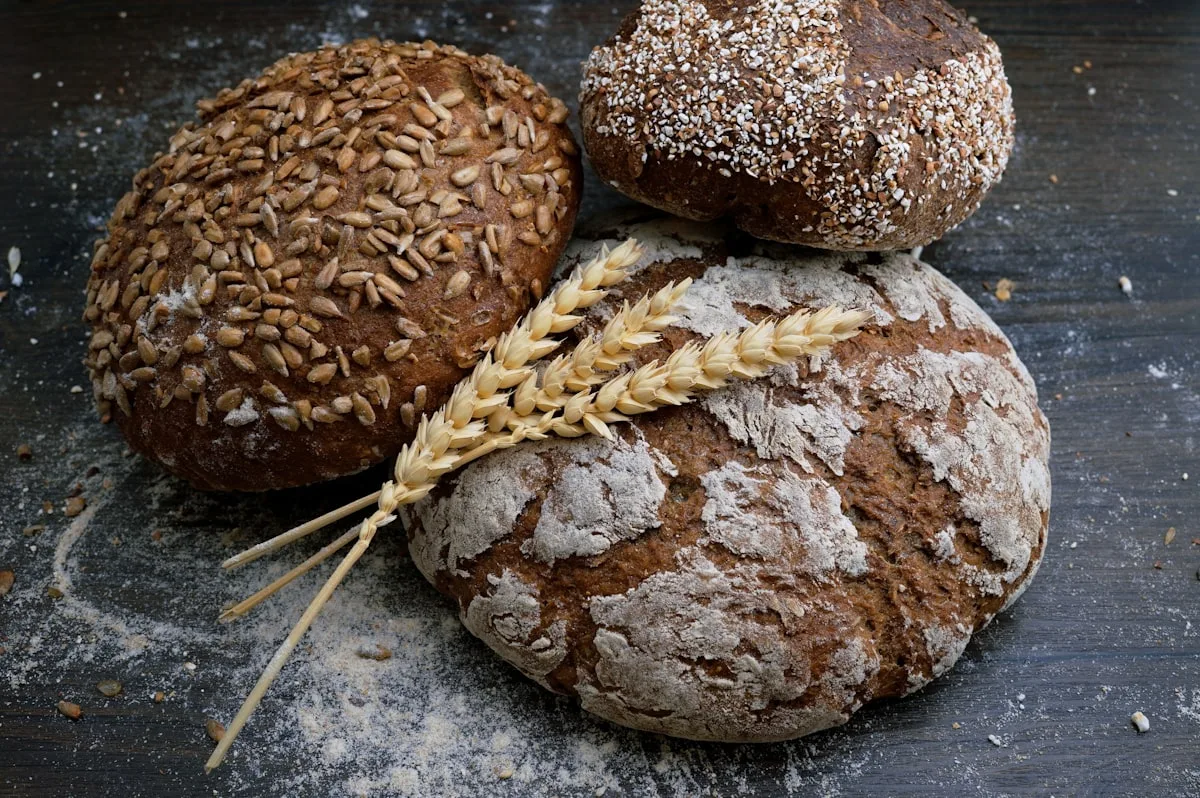
The Hérault fougasse is a flat, airy bread, often flavoured. There are several kinds:
- Plain fougasse, just olive oil and salt. Simple and good.
- Fougasse with grattons (crispy pork fat pieces). Richer, more flavourful.
- Olive fougasse. A classic.
- Sweet fougasse, flavoured with orange blossom. Found mainly at Christmas and Easter.
Almost every bakery around here makes fougasse. At the Florensac market, there’s often a stall selling it. Good for an aperitif or a picnic.
Brasucade
This is the summer dish. Mussels cooked over a wood fire on a big metal plate, with white wine, garlic, parsley and olive oil. It happens outdoors, in groups, usually at village festivals or meals between friends.
Brasucade is noisy. There’s the fire, the smoke, the clatter of shells, people picking with their fingers. It’s convivial and informal. You dip bread in the juice. That’s the best part.
In summer, the village festivals around Florensac often feature a giant brasucade. Hundreds of kilos of mussels for everyone. The mussels come from the Thau lagoon, just a few kilometres away.
Bourride
A fish stew with aioli. Sea bass or monkfish, cooked in a court-bouillon, served with a garlic sauce whipped up like a mayonnaise. It’s a coastal dish, found mainly in restaurants in Sète and Agde.
Bourride is less famous than the Marseille bouillabaisse, but it’s just as good. And it’s from here, not from Provence.
Thau lagoon oysters and mussels
Not really a recipe, but an essential product. The Thau lagoon, between Sète and Marseillan, has been producing oysters and mussels for decades. You eat them on the spot, at the oyster farms of Bouzigues, feet (almost) in the water, with a glass of Picpoul.
From Florensac, Bouzigues is 20 minutes. It’s an outing we recommend to all our guests.
Olives and olive oil
The Hérault is not France’s top olive-producing department, but olive oil has been made here for a long time. The lucques olive, a local variety, is particularly prized. Soft, fleshy, with a gentle bitterness. You’ll find it at the markets, in jars or loose.
Hérault olive oil is fruity, not too strong. Good on salad, on fish, or simply on bread.
What to drink with it
Picpoul de Pinet with fish and seafood. That’s the local rule. A Languedoc rosé with brasucade and summer grills. A red from Faugères or Saint-Chinian with meat and winter stews.
And cold water, because it’s hot.
Where to taste it all
The markets are the best place to discover these specialties. The Florensac market on Tuesday, Pézenas on Saturday, Les Halles de Sète every morning. You taste, you buy, you take it home to cook.
For the tielle, go to Sète. For the petit pâté, to Pézenas. For the oysters, to Bouzigues. For the brasucade, you need to catch a village festival in summer. Or get yourself invited.
Practical information
- Tielle sétoise: in Sète (25 min). Bakeries and markets. Best eaten warm
- Petit pâté de Pézenas: at the Pézenas market on Saturdays (15 min) or in town bakeries
- Fougasse: local bakeries and markets. The grattons version is the most typical
- Brasucade: village festivals in summer (June-September). Ask at the tourist office
- Bouzigues oysters: oyster farms along the Thau lagoon (20 min). Open year-round
- Markets: Florensac Tuesday, Pézenas Saturday, Halles de Sète every day except Monday
From our rooms, all these flavours are within easy reach. The Florensac market is at the end of the street, Sète and Bouzigues 20-25 minutes away. Plenty to eat well throughout your stay. See our rooms